Trezor Bridge – Connecting Your Hardware Wallet Securel
Dec 19, 2025
Introduction
Trezor is widely recognized as a trusted name in cryptocurrency security, offering hardware wallets that keep private keys offline and protected from digital threats. While the Trezor device itself is the foundation of this security, supporting software components play an equally important role. One such essential component is Trezor Bridge.
Trezor Bridge acts as a secure communication layer between your Trezor hardware wallet and your web browser or desktop environment. Without it, your device would not be able to interact properly with wallet interfaces and supported applications. This blog provides a detailed, easy-to-understand overview of Trezor Bridge, explaining what it is, how it works, and why it is important for every Trezor user.
What Is Trezor Bridge?
Trezor Bridge is a lightweight software service that enables communication between your Trezor hardware wallet and supported web-based interfaces. It replaces older browser extensions and provides a more stable, secure, and consistent way for browsers to detect and interact with your device.
When you connect your Trezor wallet to a computer and open a supported web wallet or application, Trezor Bridge runs in the background to ensure data is transferred securely. Importantly, this communication never exposes your private keys, which always remain safely stored inside the hardware wallet.
Why Trezor Bridge Is Important
Modern web browsers have limited direct access to USB devices for security reasons. Trezor Bridge solves this limitation by acting as a trusted intermediary. It ensures your browser can communicate with your Trezor device without compromising security.
Key reasons Trezor Bridge is important include:
Reliable device detection across browsers
Secure data exchange between hardware and software
Improved compatibility with web wallets
Elimination of risky third-party extensions
By using Trezor Bridge, users benefit from a smoother and safer experience when managing digital assets.
How Trezor Bridge Works
Trezor Bridge runs as a background service on your operating system. Once installed, it automatically starts when your computer boots up. When a supported website or wallet interface is opened, it communicates with Trezor Bridge, which then relays information to and from the Trezor device.
This process allows users to:
View wallet balances
Sign transactions
Confirm addresses
Authenticate securely
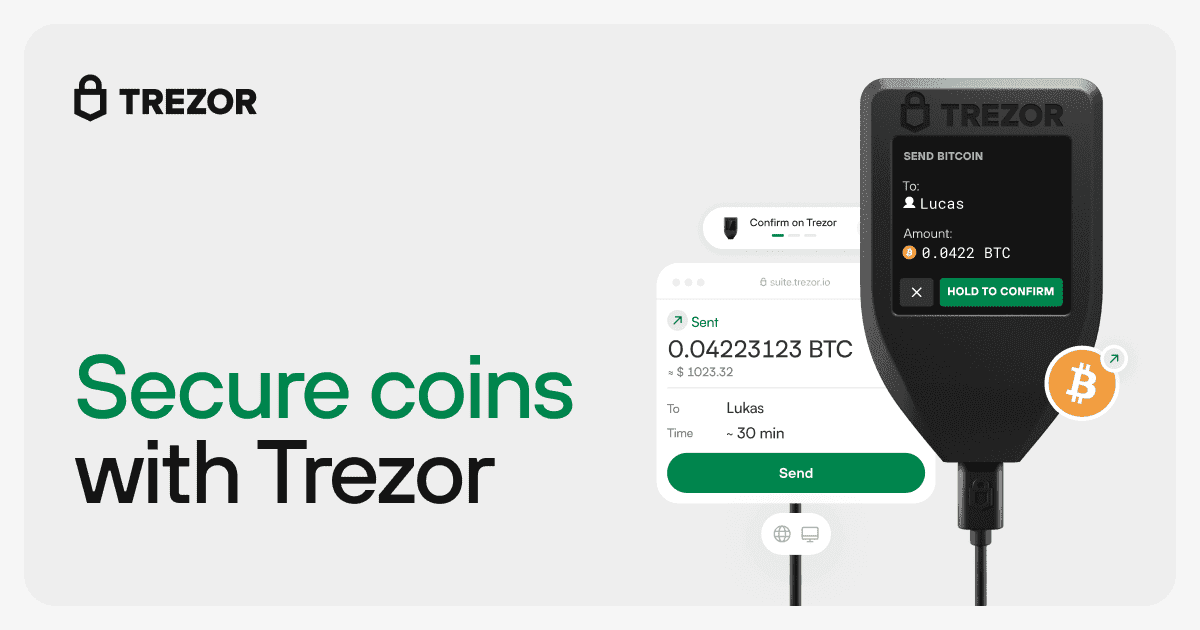
All sensitive actions must still be physically confirmed on the Trezor device screen, ensuring that malware or unauthorized software cannot initiate transactions on its own.
Installing Trezor Bridge
Installing Trezor Bridge is a straightforward process and is usually prompted automatically when required. Users may be guided to install it during wallet setup or when accessing a web-based interface that requires device communication.
The installation process typically involves:
Downloading the official installer
Running the setup for your operating system
Restarting your browser if necessary
Once installed, Trezor Bridge works silently in the background, requiring no manual interaction for everyday use.
Trezor Bridge and Trezor Suite
Many users interact with their hardware wallet through Trezor Suite, which is the official desktop application. In most cases, Trezor Suite does not require Trezor Bridge because it communicates directly with the device.
However, Trezor Bridge remains essential for users who prefer web-based interfaces or third-party services that rely on browser communication. It ensures consistent functionality regardless of how users choose to access their wallet.
Security Features of Trezor Bridge
Security is central to Trezor Bridge’s design. The software does not store private keys, recovery seeds, or sensitive wallet data. Instead, it only transmits public information and signed transaction data that has already been approved on the hardware device.
Additional security benefits include:
Protection against phishing attempts
Reduced attack surface compared to browser extensions
Official maintenance and updates from Trezor
As long as users install Trezor Bridge from trusted sources, it adds a strong layer of reliability without increasing risk.
Common Issues and Troubleshooting
Some users may encounter minor issues related to Trezor Bridge, such as the device not being detected or connection interruptions. These issues are usually easy to resolve.
Common solutions include:
Restarting the browser
Reconnecting the Trezor device
Updating Trezor Bridge to the latest version
Checking for operating system compatibility
Keeping all Trezor-related software up to date helps prevent most connectivity problems.
Best Practices When Using Trezor Bridge
To ensure smooth and secure usage:
Only install official Trezor software
Avoid using unknown browser plugins
Keep your operating system updated
Verify all actions on the Trezor device screen
Never share recovery seed or PIN details
Following these best practices ensures that Trezor Bridge enhances security rather than introducing vulnerabilities.
Conclusion
Trezor Bridge is an essential behind-the-scenes component that enables secure communication between your Trezor hardware wallet and web-based applications. While it operates quietly in the background, its role is critical in providing a reliable and safe user experience.
By acting as a trusted connection layer, Trezor Bridge allows users to manage their cryptocurrencies with confidence, knowing that private keys remain offline and protected. Understanding how Trezor Bridge works and using it correctly helps ensure that your journey with Trezor remains secure, efficient, and stress-free.